If you are thinking about a move to Roseville, you probably want more than a map pin and a list of homes. You want to know how the city actually feels day to day, what different parts of town are like, and whether the lifestyle fits your routine. Roseville offers a mix of established districts, newer neighborhoods, major retail, and a strong parks network, which gives it a practical, livable feel for many buyers. Let’s dive in.
Roseville at a Glance
Living in Roseville often feels like living in a suburban city with several activity centers instead of one single core. City planning documents show a community built around specific plan areas, with downtown and Old Town focused on mixed-use and residential redevelopment and other areas shaped by neighborhoods, parks, open space, and commercial services.
That matters when you are choosing where to live. Rather than one uniform suburban pattern, Roseville offers multiple neighborhood settings, each with its own rhythm. You can find older central areas, newer master-planned sections, and housing options that range beyond the typical detached home.
Daily Life in Roseville
One of the easiest ways to describe Roseville is convenient. Daily life is often organized around neighborhood hubs, destination shopping, local parks, and a downtown core designed to be more walkable.
In practical terms, that can mean you are not relying on one area for everything. Some parts of the city are more residential and neighborhood-oriented, while downtown brings together public spaces, events, and mixed-use activity. For many residents, that creates a balance between suburban space and everyday access to services.
Downtown and Old Town Feel
Downtown Roseville and Historic Old Town give the city a distinct central character. Historic Old Town includes streetscape improvements such as sidewalks, lighting, landscaping, and on-street parking, all designed to support businesses, residents, and community events.
The Downtown Specific Plan includes Historic Old Town, the Vernon Street District, and Royer and Saugstad Parks. That mix helps create a central area where public space, local events, and residential growth connect in a more pedestrian-oriented setting.
The Downtown Bridges & Trail project adds to that experience by linking Royer Park, the Downtown Library, and Vernon Street Town Square. If you enjoy having a part of town where you can spend time outdoors and still feel connected to civic spaces, downtown Roseville stands out.
Neighborhood Variety Across Roseville
Roseville is not a one-note city. Its planning areas include West Roseville, Northwest Roseville, North Roseville, Southeast Roseville, Sierra Vista, and Creekview, each combining residential development with parks, open space, schools, and commercial uses.
West Roseville and Northwest Roseville are noted for predominantly single-family and multi-family housing alongside community-oriented commercial areas and parks. These areas reflect the newer-growth side of Roseville, where neighborhood design often centers on convenience and recreation.
There are also more specialized housing environments. Del Webb adds an age-restricted active-adult community built around recreation, while downtown emphasizes mixed-use residential growth. For buyers, that means your options may include newer subdivisions, older central neighborhoods, condos, and other housing types depending on your goals.
Shopping and Dining Options
Roseville is especially well known for regional shopping. Westfield Galleria at Roseville serves as a major retail destination with anchor stores, restaurants, luxury retailers, and transit access.
The Fountains at Roseville offers a different experience with an open-air format, free parking, EV charging, a splash pad, train rides, a weekly farmers’ market, and regular community events. For many residents, this adds a more casual and family-friendly option to the city’s shopping mix.
For routine errands, smaller retail centers are part of daily life too. Roseville Square near Harding and Douglas includes Trader Joe’s and other shops, which gives residents another practical option outside the larger destination centers.
Parks and Trails Are a Big Deal
If outdoor access matters to you, Roseville has a strong everyday recreation story. The city maintains more than 4,400 acres of natural areas and over 45 miles of bike and multi-use trails.
That trail network includes paved greenways, creekside routes, and mountain-bike loops. The city also extended the Miner’s Ravine Trail into Royer Park and connected it to the Downtown Library and Vernon Street Town Square, which helps tie recreation into civic and downtown life.
Roseville’s park planning also shows a clear structure. Larger citywide parks serve as activity hubs, while smaller neighborhood parks support quick visits close to home. That can make a difference when you are thinking about how often you want nearby outdoor space versus larger destination-style amenities.
Recreation and Activity Hubs
Mahany Park is a good example of how Roseville organizes major recreation spaces. It sits alongside the Roseville Sports Center, Martha Riley Library, and Roseville Aquatics Center, creating a cluster of amenities in one part of the city.
This kind of setup can be appealing if you want activities, library services, and park space grouped together. It also reflects a broader pattern in Roseville, where civic amenities are distributed across the city rather than concentrated in just one area.
Roseville’s Silver Bicycle Friendly Community status, awarded in January 2026, also points to an active bike culture. Annual BikeFest adds another layer to that, reinforcing biking as a visible part of community life.
Community Events and Civic Life
Roseville appears to place a strong emphasis on public events and neighborhood connection. The city calendar includes programs like Friday Flicks, Concerts on the Square, Celebrate Downtown with Family Fest and a carnival, BikeFest, the Downtown Holiday Celebration, and neighborhood clean-up events run with RCONA.
That event mix suggests a city where community gathering is built into public spaces throughout the year. For many buyers, that helps paint a clearer picture of local life than housing stats alone.
The city also maintains connection points through newsletters, alerts, neighborhood associations, and civic groups. If you value a place where residents have regular ways to stay informed and involved, Roseville offers that kind of civic structure.
Libraries and Cultural Amenities
Roseville’s libraries help anchor different parts of the city. The Downtown Library, Maidu Library, and Martha Riley Community Library are spread across major areas, giving residents local access points depending on where they live.
Martha Riley Library serves west Roseville in Mahany Park, while Maidu Library serves eastern Roseville. That distribution reinforces the idea that Roseville functions through multiple hubs rather than one center.
The Maidu Museum & Historic Site adds another local amenity with a history and culture focus. For residents, these civic features can contribute to a stronger sense of place beyond shopping and housing alone.
Housing Options in Roseville
Roseville’s housing stock is broader than many buyers expect. City information describes a housing spectrum that includes affordable housing, middle-income workforce housing, supportive and transitional housing categories, residential care, and a mix of neighborhood development patterns.
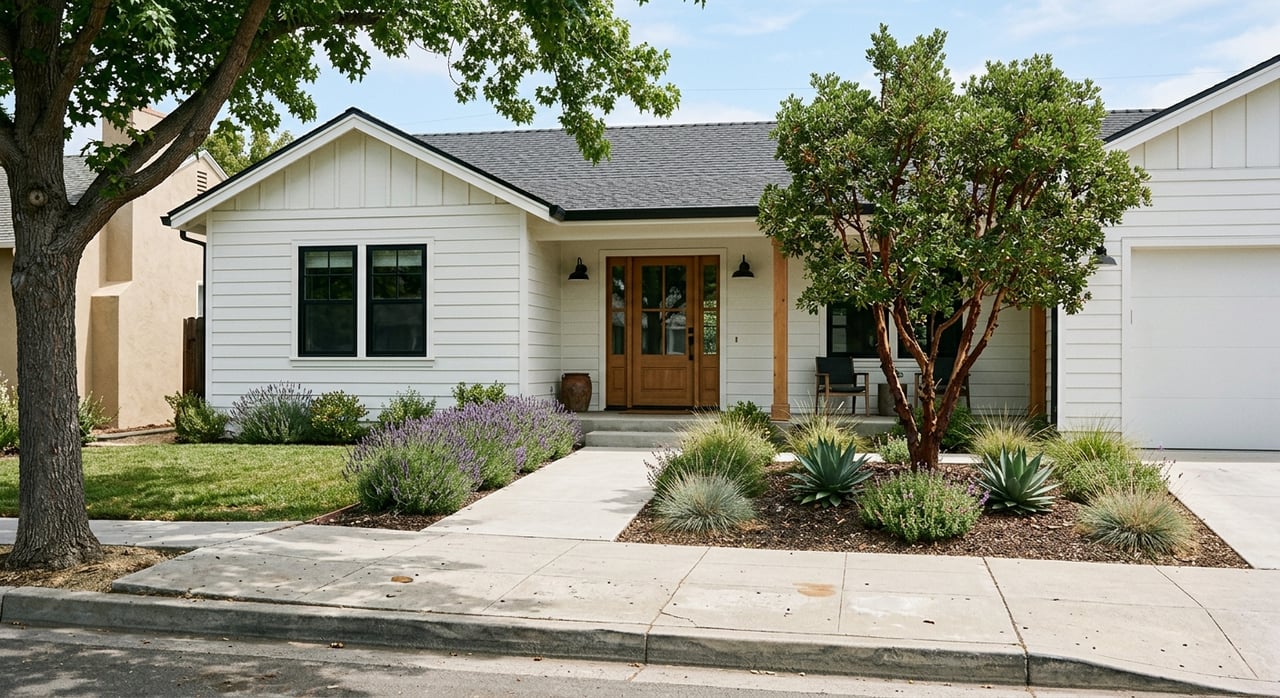
From a buyer’s perspective, the key takeaway is variety. You may find older homes in central areas, newer homes in master-planned neighborhoods, mixed-use residential options downtown, and specialized communities such as active-adult developments.
That range can be helpful if you are comparing Roseville with other Sacramento-area suburbs. Instead of asking whether Roseville has one dominant housing style, it is more accurate to ask which part of Roseville best matches your budget, stage of life, and preferred setting.
What Roseville May Feel Like for You
If you like having choices, Roseville tends to deliver. You can spend time in a more walkable downtown environment, live near newer residential growth, or focus on access to parks, trails, and larger shopping centers.
If your routine depends on convenience, recreation, and neighborhood-based living, the city has a lot to offer. Its planning, parks system, civic amenities, and retail mix all point to a place designed for practical day-to-day living rather than a single lifestyle model.
For many buyers, that is the real appeal of Roseville. It gives you several ways to live within the same city, which can make your home search more flexible and more personal.
If you are considering a move to Roseville and want steady, local guidance on neighborhoods, pricing, and the right fit for your next move, Paul Galindo can help you sort through the options with a clear, low-pressure approach.
FAQs
What is everyday life like in Roseville, CA?
- Roseville feels like a suburban city with several neighborhood and activity centers, with day-to-day life shaped by residential areas, parks, shopping hubs, and a more walkable downtown core.
What are the different areas of Roseville like?
- Roseville includes Historic Old Town and downtown, older central neighborhoods, and newer plan areas such as West Roseville and Northwest Roseville, each with its own mix of housing, parks, open space, and commercial services.
Is Roseville, CA good for parks and trails?
- Roseville has over 4,400 acres of natural areas and more than 45 miles of bike and multi-use trails, plus larger parks like Mahany Park and trail connections into downtown.
What shopping options are available in Roseville?
- Roseville includes major retail destinations like Westfield Galleria at Roseville and the Fountains at Roseville, along with smaller everyday shopping centers such as Roseville Square.
Does Roseville have community events and civic amenities?
- Roseville hosts recurring events like BikeFest, Friday Flicks, Concerts on the Square, and holiday celebrations, and it has civic amenities such as multiple library branches and the Maidu Museum & Historic Site.
What types of homes can you find in Roseville?
- Roseville offers a broad housing mix that includes older central homes, newer master-planned neighborhood housing, mixed-use residential growth downtown, multi-family options, and age-restricted active-adult living in some areas.