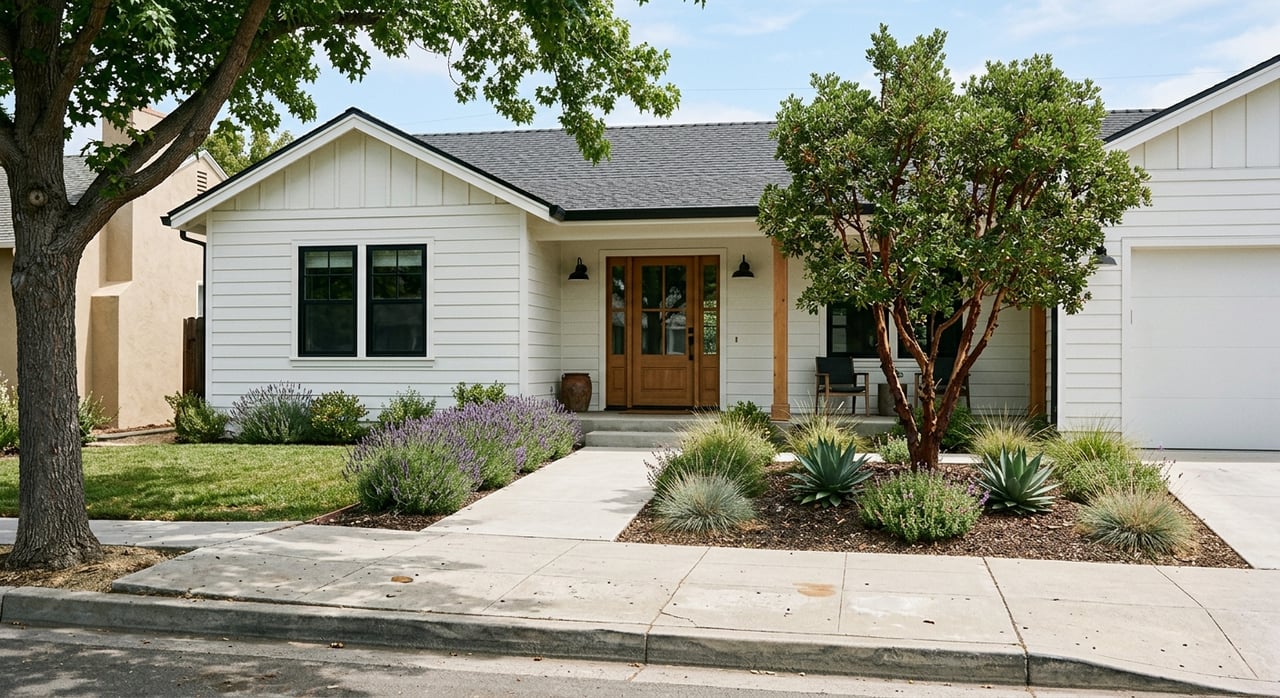
Selling your home can feel like a big project, especially when you want to get the price right, stay organized, and avoid surprises. If you are getting ready to list a home in Sacramento, it helps to understand how the local process works before your home goes live. This step-by-step guide walks you through what to expect, what documents matter, and how a smoother sale usually starts with good preparation. Let’s dive in.
Start With Pricing and Planning
The first step in listing your Sacramento home is building a clear plan around price, condition, and timing. A strong listing process usually begins with a local pricing review using Sacramento-area MLS data, not guesswork or broad national averages.
In the Sacramento region, residential listings are typically marketed through MetroList, the local MLS used across Sacramento and surrounding counties. That matters because your pricing strategy should reflect the homes buyers are actually seeing and comparing in this market.
This is also the time to talk through your goals. You may be trying to move quickly, maximize proceeds, coordinate a replacement purchase, or simplify a downsizing move. Your listing plan should support those goals from the beginning.
Review Your Home’s Condition
Before your home hits the market, you should have a realistic picture of its condition. In California, both the listing broker and the selling broker are required to conduct a reasonably competent and diligent visual inspection of accessible areas and disclose material facts that could affect value, desirability, or intended use.
That means preparation is not just about cleaning up for photos. It is also about identifying issues early so you can decide how to address them and avoid last-minute problems later.
Set a Timeline That Fits Your Move
A calm sale usually comes from good sequencing. You will want to think through when you want to list, how quickly you want showings to begin, and whether your next move depends on this sale closing first.
For many sellers, timing also affects lender coordination, moving plans, and closing expectations. A step-by-step timeline helps keep those moving parts aligned.
Gather Required Seller Disclosures
One of the most important steps in California is completing your disclosure package. For a typical 1-to-4 unit residential resale, the core seller disclosure is the Real Estate Transfer Disclosure Statement, also called the TDS.
California requires the TDS to be delivered as soon as practicable and before title transfers. If a buyer receives it after signing an offer or purchase agreement, that buyer may have a new window to cancel, which can create avoidable uncertainty.
For that reason, many sellers benefit from completing disclosures before offers start coming in. It keeps the process cleaner and helps buyers make informed decisions earlier.
Common Disclosures Sacramento Sellers May Need
Depending on the property, your disclosure package may also include:
- Natural Hazards Disclosure if the property is in a mapped flood, dam inundation, fire, earthquake fault, or seismic hazard zone
- Mello-Roos notice if the property is subject to a community facilities district tax or similar fixed lien assessment
- HOA or common-interest development documents for condominiums and many planned developments
- Lead-based paint disclosure for most homes built before 1978
- California water heater bracing, anchoring, or strapping certification
Each property is different, so the right package depends on the home type, age, and location. Getting this organized early can reduce delays once buyers start reviewing the file.
Extra Documents for HOA Properties
If your home is a condo or part of a common-interest development, California requires more association-related paperwork. This may include governing documents, association financial statements, the operating budget, the most recent reserve study, and a written statement of current assessments and unpaid charges.
These documents can take time to gather, so it helps to request them early. Waiting until after you accept an offer can slow the transaction.
Prepare the Home for Market
Once pricing and disclosures are underway, the next step is preparing your home for active market exposure. This is when you finalize property readiness, marketing details, and showing logistics.
Your home does not need to be perfect, but it should be presented in a way that helps buyers understand its condition, layout, and value. The goal is a clean, accurate, well-prepared launch.
Finalize Photos and Listing Details
After prep work is complete, your listing is entered into MetroList. This is the main local system that supports listing distribution and gives buyers access to current Sacramento-area property information.
Accuracy matters at this stage. Marketing remarks should never gloss over material facts, and the information entered into the MLS should match the home’s actual features and known conditions.
Plan Showings and Access
Showings are easier when the plan is clear from the start. MetroList supports lockbox and key services for subscribers, which helps organize buyer agent access once the listing is active.
Before going live, it is smart to decide how much notice you want for showings, what hours work best, and how you will handle pets, valuables, or daily routines. These small details can make the selling experience less stressful.
Launch Your Sacramento Listing
When pricing, prep, and disclosures are in place, your home is ready to go live. This is the point where buyers begin seeing the property online, scheduling tours, and comparing it to other active homes in Sacramento.
A well-planned launch gives you a better chance at attracting serious interest early. In many cases, the strongest momentum happens in the first stretch of market exposure, so preparation before day one matters.
Why Early Organization Helps
Sacramento sellers often benefit from doing more work upfront instead of rushing to market. California disclosure rules and local recording requirements make organization especially important.
If the disclosure package is incomplete or details are still being sorted out after offers arrive, you may create uncertainty that could have been avoided. A methodical approach usually leads to a steadier transaction.
Review Offers Carefully
Once showings begin, buyers may submit offers with different prices, timelines, and terms. The highest offer is not always the strongest offer.
You will also want to look at financing, inspection contingencies, appraisal contingencies, and the proposed closing schedule. A well-structured offer can protect your timing and reduce the risk of delays or fallout.
Compare More Than Price
When reviewing offers, it helps to look at the full picture, including:
- Offered price
- Type of financing
- Contingency periods
- Requested credits or repairs
- Proposed closing date
- Any special terms that affect your move
A calm, negotiation-focused review can help you choose the offer that best supports your financial and timing goals.
Open Escrow and Move Toward Closing
After you accept an offer, escrow opens. In Northern California, escrow is usually handled by a title insurance company or an independent escrow company.
The escrow officer acts as a neutral third party. That person coordinates funds, documents, payoff demands, recording, and disbursement once all instructions are satisfied.
What Escrow Handles
Escrow does not negotiate the contract or give legal advice. Instead, the escrow officer helps carry out the terms already agreed to by the buyer and seller.
This typically includes:
- Collecting and processing closing documents
- Coordinating payoff demands and liens
- Receiving and transferring funds
- Preparing for deed recording
- Disbursing proceeds after closing conditions are met
This stage works best when your agent, lender, title team, and escrow team stay aligned on deadlines and next steps.
Understand Sacramento Transfer Taxes
Closing costs for sellers in Sacramento can include transfer taxes, and local location matters here. For sales inside Sacramento city limits, sellers should expect both the county documentary transfer tax and the city’s separate transfer tax.
According to Sacramento County, the county documentary transfer tax is paid at recording at $0.55 per $500 of value. For properties inside Sacramento city limits, the city transfer tax is 0.00275 of consideration.
What Is Required at Recording
Sacramento County requires a transfer-tax declaration, the property’s city or unincorporated designation, and a Preliminary Change of Ownership Report with the deed. These details are part of the local closing process and should be accounted for before recording day.
If your property is outside Sacramento city limits, the city transfer tax would not apply. This is one reason local guidance matters when you estimate seller net proceeds.
Know When You Get Paid
The sale is not fully closed just because documents are signed. In Sacramento, closing generally means the deed is recorded, applicable transfer taxes are paid, and then proceeds are disbursed according to escrow instructions.
After escrow conditions are satisfied and the deed records, the transaction closes and your net proceeds are released. If you are coordinating another purchase, payoff, or move, this timing is especially important.
A Simple Sacramento Listing Checklist
If you want a straightforward view of the process, here is the basic order most sellers follow:
- Review local pricing and your sale goals
- Evaluate the home’s condition
- Complete seller disclosures
- Gather HOA or property-specific documents
- Prepare the home for photos and showings
- Enter the listing into MetroList
- Launch the home to the market
- Review and negotiate offers
- Open escrow after acceptance
- Complete closing steps through recording and disbursement
A lower-stress sale usually comes from doing these steps in the right order. Good preparation gives you better control over timing, negotiations, and expectations.
If you are thinking about listing your Sacramento home and want a steady, practical plan from pricing through closing, Paul Galindo can help you move forward with clear guidance and local insight.
FAQs
What is the first step to listing a home in Sacramento?
- The first step is usually a local pricing review, along with a walkthrough of the home’s condition and a discussion about your timing and sale goals.
What disclosures are required when selling a home in Sacramento?
- Most 1-to-4 unit residential resales require a Real Estate Transfer Disclosure Statement, and some homes may also need Natural Hazards Disclosure, Mello-Roos notice, HOA documents, lead-based paint disclosure, or water heater bracing certification.
What is MetroList in the Sacramento home selling process?
- MetroList is the regional MLS commonly used to market residential listings in Sacramento and nearby counties, and it is a key part of local listing exposure.
Who handles escrow when selling a home in Sacramento?
- In Northern California, escrow is usually handled by a title insurance company or an independent escrow company, with an escrow officer acting as a neutral third party.
What transfer taxes apply when selling a home inside Sacramento city limits?
- Properties inside Sacramento city limits generally have both the Sacramento County documentary transfer tax and the City of Sacramento transfer tax due at recording.
When does a Sacramento home seller receive sale proceeds?
- A seller typically receives net proceeds after escrow conditions are satisfied, the deed is recorded, and funds are disbursed according to the escrow instructions.