Thinking about retiring in Sacramento? You are not alone. For many retirees, the appeal is easy to see: a large regional healthcare network, plenty of parks and trails, and housing options that can support simpler day-to-day living. If you are planning a move and want to balance comfort, convenience, and long-term practicality, Sacramento gives you a lot to consider. Let’s dive in.
Why Sacramento Works for Retirement
Sacramento offers a mix of city convenience and everyday livability that can fit many retirement goals. The city sits where the Sacramento and American Rivers meet, and its age-friendly planning framework focuses on walkable streets, transportation options, housing choice, and access to services.
That broader framework matters because retirement is not just about the home you buy. It is also about how easily you can get to appointments, enjoy your routines, stay active, and remain connected over time. According to U.S. Census QuickFacts for Sacramento, the city’s population is estimated at 535,798, and 14.1% of residents are age 65 and over.
Sacramento Climate and Daily Comfort
One of the biggest factors in a retirement move is climate. Sacramento has mild winters and hot, dry summers, which can be a great fit if you want year-round access to outdoor spaces without dealing with snow.
According to NOAA climate normals for Sacramento, average highs reach 94.4°F in July and 93.5°F in August. In winter, average highs are 56.5°F in January and 56.4°F in December. Annual precipitation is 19.20 inches, and there is no measurable snowfall in the normals.
What Summer Heat Means for Retirees
Warm weather can support walking, gardening, and outdoor recreation for much of the year. Still, Sacramento summers require planning. If you are choosing a home for retirement living, reliable air conditioning, effective shade, and easy indoor comfort should be high on your list.
It also helps to think about your daily routine. Morning walks, shaded patios, and homes designed to stay cool can make a big difference during hotter months.
Healthcare Access in Sacramento
Access to healthcare is often near the top of the list when planning a retirement move. Sacramento has several major medical systems, which gives you more options for routine care, specialty treatment, and emergency services.
UC Davis Medical Center at 4301 X St is UC Davis Health’s academic medical center and is ranked No. 1 in Sacramento. Sutter Medical Center Sacramento describes itself as a leading hospital with a 24/7 emergency room and advanced care in heart, stroke, cancer, and bone and joint conditions. Kaiser Permanente also operates the Sacramento Medical Center at 2025 Morse Ave and South Sacramento Medical Center, with services that include emergency care, cardiology, neurology, oncology, orthopedics, rehabilitation, podiatry, and pharmacy.
Why Healthcare Proximity Matters
When you are narrowing down where to live, distance to healthcare can shape your quality of life just as much as the home itself. A shorter drive, easier transit access, or a simpler route to appointments may become more important over time.
That is why many retirees focus on homes with practical access to medical care, pharmacies, and related services. In Sacramento, that can be an important part of your home search strategy.
Staying Active and Connected
Retirement living is about more than medical care and monthly expenses. It is also about staying engaged, maintaining routines, and having access to places that make it easy to get out of the house.
Sacramento stands out here. The city says it has 237 parks and parkways totaling more than 4,300 acres. That broad park system can support walking, casual exercise, and day-to-day recreation in many parts of the city.
Trails, Parks, and Waterfront Spaces
Sacramento also offers well-known public spaces that can fit an active retirement lifestyle. Old Sacramento Waterfront is a 28-acre national registered landmark and state historic park with boardwalks, restaurants, museums, and events.
The city is also working toward a continuous network of paved, accessible, multi-use trails connecting the Sacramento River and American River parkways. Projects like the 4.8-mile Del Rio Trail are designed so people can walk, bike, or roll between south Sacramento neighborhoods and downtown.
Older Adult Programs in Sacramento
Social connection is a major part of retirement planning. The Ethel MacLeod Hart Senior Center in Midtown serves as the hub of Sacramento’s Older Adult Services division and offers enrichment classes, fitness activities, social opportunities, and Neighborhood Walks for adults age 50 and above.
For many retirees, this kind of built-in programming can make a move feel more manageable. It gives you a practical way to plug into classes, events, and activities without having to start from scratch.
Getting Around Without Driving Everywhere
Many retirees want to keep driving, but they also want options. Sacramento offers public transit and paratransit services that can reduce the need to rely on a car for every appointment or errand.
According to SacRT, buses and light rail operate 365 days a year. SacRT GO paratransit also provides ADA-compliant door-to-door or service-area transportation for riders who cannot use fixed-route bus or light rail service.
Can You Live Car-Light in Sacramento?
In some parts of Sacramento, yes. Access to trails, transit, parks, and older adult programming can make it easier to live with fewer car trips, especially if your daily needs are close by.
That said, neighborhood choice matters. If reducing driving is important to you, it helps to prioritize areas with better access to transit, services, and walkable routes.
Choosing the Right Home for Retirement
A retirement move usually works best when you plan for both today and the years ahead. Sacramento’s housing policies are especially relevant here because they reflect many of the features older adults often need.
The city’s Universal Design Ordinance encourages accessible housing for people with disabilities and older adults. It requires single-family builders to offer universal design features such as no-step entries, wider doorways, and grab bars. In developments of 15 units or more, at least one model in each phase must offer basic universal design features.
Home Features Worth Prioritizing
If you are buying with retirement in mind, practical features often matter more than flashy finishes. A home that is easier to live in can help you stay comfortable and independent longer.
Consider focusing on features like these:
- Single-level or minimal-stairs layout
- No-step entry
- Wider doorways
- Accessible bathroom design
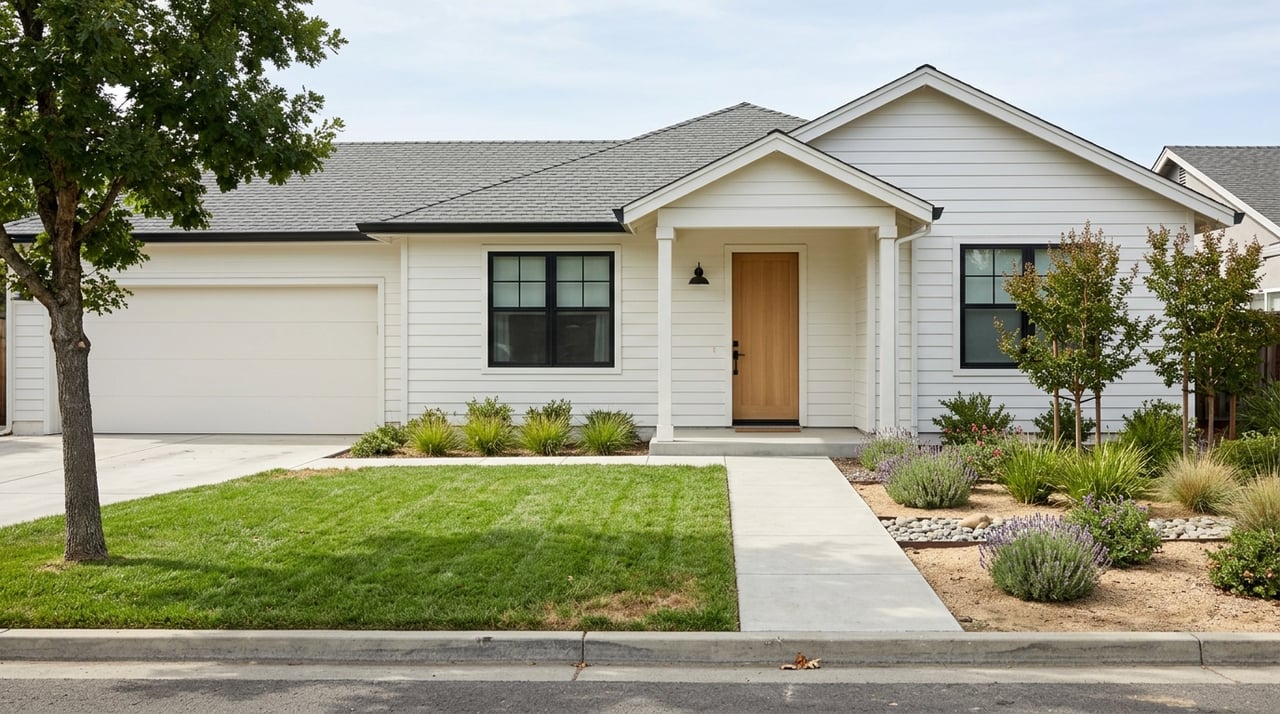
- Low-maintenance yard
- Strong air conditioning and cooling performance
- Good access to medical care, parks, transit, or community programming
ADUs and Flexible Living Options
Sacramento also supports flexible housing arrangements. The city defines accessory dwelling units, or ADUs, and offers free permit-ready ADU plans, which can be useful for multigenerational living, caregiver space, or downsizing on the same property.
For some retirees, that flexibility can open up options that a traditional move does not. You may want space for family support, a guest setup, or a smaller living arrangement that still keeps you close to loved ones.
Budget and Housing Value Context
Your budget will shape the choices available to you, so it helps to have a realistic baseline. According to Sacramento’s Housing Element and related city planning materials, the median owner-occupied housing value was $484,600 for 2019 to 2023.
That number is useful as broad context, but prices can vary significantly by area, property type, condition, and features. In a retirement move, value is not only about the purchase price. It is also about ongoing maintenance, utility costs, location efficiency, and whether the home can continue to work for you over time.
A Smart Retirement Move Starts With a Plan
The best retirement move is usually the one that feels steady, clear, and well-timed. In Sacramento, that means looking beyond square footage and thinking carefully about climate, access to healthcare, transportation, recreation, and the home features that support everyday ease.
If you want a calm, practical strategy for buying or downsizing in the Sacramento area, Paul Galindo can help you think through your options, timelines, and next steps with a steady, low-pressure approach.
FAQs
Is Sacramento a good place for retirement living?
- Sacramento can be a strong option for retirement living because it offers major healthcare systems, a large park network, older adult programming, transit options, and housing policies that support aging in place.
How hot are Sacramento summers for retirees?
- Sacramento summers are hot and dry, with average highs of 94.4°F in July and 93.5°F in August according to NOAA, so strong air conditioning, shade, and heat-safe routines are important.
What healthcare options are available for retirees in Sacramento?
- Sacramento has several major care systems, including UC Davis Medical Center, Sutter Medical Center Sacramento, Kaiser Permanente Sacramento Medical Center, and Kaiser Permanente South Sacramento Medical Center.
Can retirees get around Sacramento without driving every day?
- Some retirees may be able to live car-light in Sacramento because SacRT operates buses and light rail year-round, and SacRT GO offers ADA-compliant paratransit service for eligible riders.
What home features should retirees look for in Sacramento?
- Retirees in Sacramento often benefit from single-level layouts, no-step entries, wider doorways, accessible bathrooms, low-maintenance yards, strong cooling systems, and convenient access to services and recreation.
Are there senior activity programs in Sacramento?
- Yes. Sacramento’s Ethel MacLeod Hart Senior Center offers classes, fitness activities, social opportunities, and Neighborhood Walks for adults age 50 and above.