Trying to decide between a condo or a house in Sacramento? You are not alone. With prices, HOAs, maintenance, and location all in the mix, it helps to compare your options side by side. In this guide, you will see what typical costs look like, how HOAs work, key due diligence steps, and how lifestyle tradeoffs play out across Sacramento neighborhoods. Let’s dive in.
Sacramento price picture
Recent vendor snapshots put city medians in the mid 400s to mid 500s, depending on the source and date. For example, a recent city snapshot showed a median near $495,000 in February 2026, and another vendor’s value index placed typical values near $468,296 with a city median sale price of about $453,500 as of late 2025. County numbers can read higher for single family; the California Association of Realtors reported a Sacramento County median of about $560,000 in March 2025. These figures differ because each vendor measures a slightly different thing and time window.
For shopping ranges, think in bands rather than a single number. In Sacramento, many condo listings run roughly $250,000 to $600,000 and higher in prime spots. Single family homes often list in the $350,000 to $750,000 and higher range depending on the neighborhood, size, and condition. Always confirm live pricing in your target zip before you set your budget.
Lifestyle fit by neighborhood
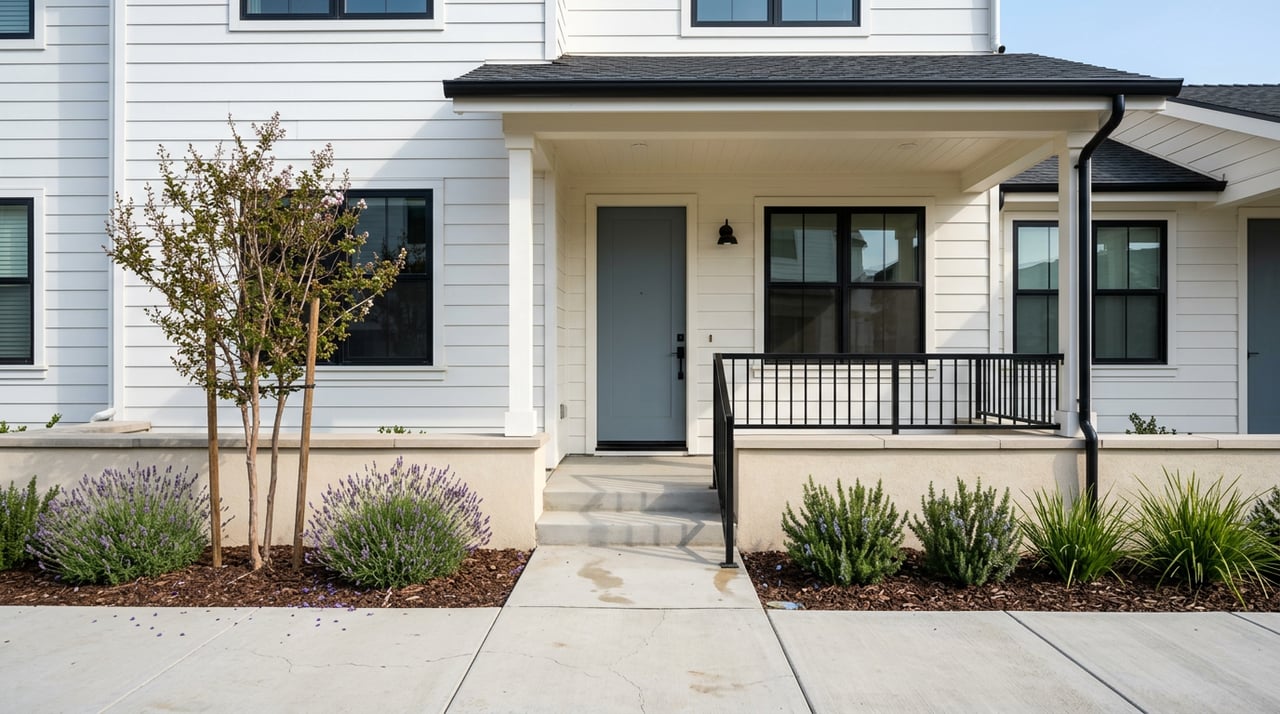
Condos tend to work well if you want lower hands-on maintenance, smaller footprints, and proximity to downtown amenities. You will find more condo options around Downtown and Midtown, where walkability and transit access are common draws. Expect higher price per square foot in prime, amenity-rich buildings.
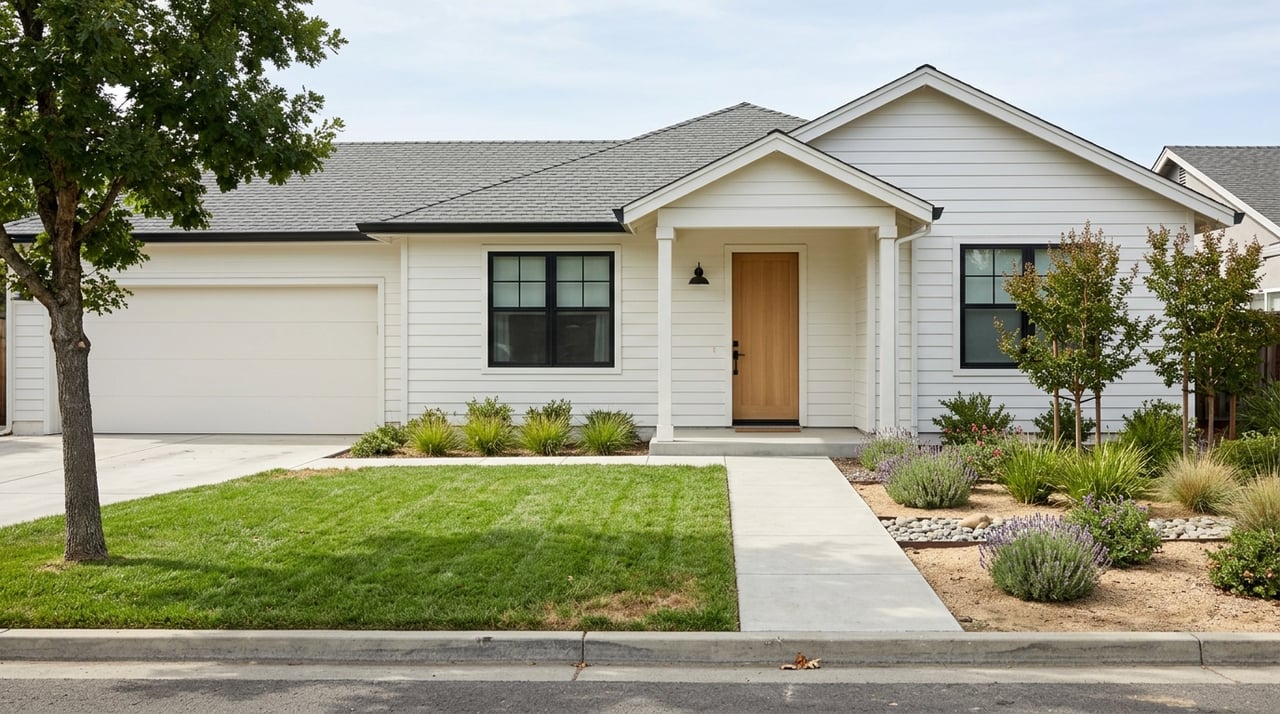
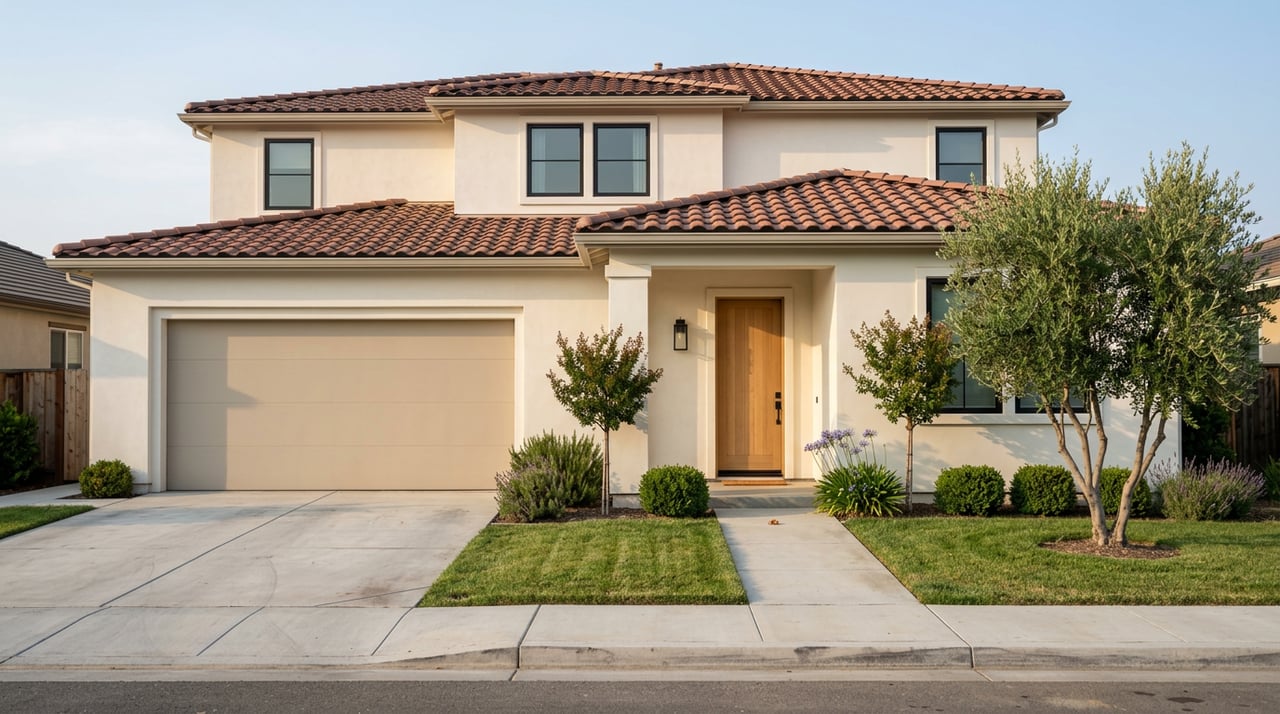
Houses fit buyers who value private outdoor space, storage, and direct control over exterior maintenance. Neighborhoods like East Sacramento and Land Park offer classic single family streets, with prices that reflect larger lots and established homes. In north and south pockets of the city, you will find more budget-friendly options for both condos and houses.
Total monthly cost checklist
Your monthly carry cost has several parts. Use this checklist to compare apples to apples:
- Mortgage principal and interest: based on price, down payment, rate, and term. Get a lender quote for accuracy.
- Property tax: California’s Prop 13 sets a base rate of about 1 percent of assessed value, with voter-approved bonds and assessments added on top and varying by parcel. Confirm the exact tax-rate area for the property. Learn more about Prop 13’s baseline.
- HOA dues: condos often range from roughly $150 to $500 and higher per month depending on amenities; some single family subdivisions have small or no dues.
- Insurance: most houses use an HO-3 policy that insures the structure. Condo owners use an HO-6 policy for the interior and contents, coordinated with the HOA’s master policy. See an insurance overview.
- Utilities: some condo dues include water, trash, or heating; verify line by line.
- Maintenance budget: a simple planning rule is about 1 percent of the purchase price per year for a house. Condos shift exterior items to the HOA, but you still budget for in-unit repairs and possible special assessments.
- Other assessments: ask about Mello-Roos or local assessments that can add to your tax bill.
Quick worksheet you can copy
List two side-by-side scenarios and fill in each line with your lender and insurer:
- Price x down payment = loan amount
- Estimated interest rate and term = monthly principal and interest from lender
- Property tax estimate = price x estimated tax rate divided by 12
- HOA dues (if any) = monthly
- Insurance estimate = monthly
- Utilities estimate = monthly
- Maintenance reserve = price x 1 percent divided by 12
- Special assessments or Mello-Roos = monthly, if applicable
Add the lines for each scenario to compare your true monthly cost. Exact mortgage and property tax figures require a lender quote and parcel-specific tax info.
A simple example
- Condo example: $400,000 purchase, 10 percent down, HOA $350. Property tax estimated at 1.15 percent for illustration. Maintenance reserve at 1 percent per year divided by 12 for in-unit items. Add any included utilities offset if the HOA covers water or trash.
- House example: $525,000 purchase, 10 percent down, no HOA. Same tax estimate and a full 1 percent per year maintenance reserve. Utilities fully on owner.
Your lender and insurance agent can plug in real numbers for your situation so you see a precise monthly spread.
HOA due diligence for condos
Before you fall in love with a condo, request documents early. These items help you spot risks and budget correctly:
- Budget and recent financials: evaluate operating cash flow and expenses.
- Reserve study: shows planned big-ticket repairs and the reserve funding status. California HOAs follow state rules around reserve studies and disclosures. See a plain-English overview of reserve study rules.
- Board minutes for 12 to 24 months: look for deferred maintenance, surprise repairs, or litigation.
- Master insurance certificate: confirm coverage type, limits, and deductible.
- CC&Rs and rules: check rental limits, pet rules, parking, and renovation guidelines.
- Litigation and assessment history: identify any pending lawsuits and recent special assessments. Review a legal summary of current California HOA laws.
- Delinquency report: high owner delinquency can signal financial stress.
California HOAs operate under the Davis-Stirling framework that creates disclosure obligations and member records rights. Ask your agent to help you exercise document rights and review items early in escrow. Special assessments can be material, so use the reserve study and minutes to understand near-term projects. Learn why reserve studies and assessments matter.
Master insurance and lending
Lenders and insurers care whether the HOA’s master policy is “walls-in” or “bare walls,” and what the deductible is. If the master policy has gaps or a large deductible, you may need added coverage such as loss assessment or interior build-out coverage. Have your lender and insurer review the HOA master policy up front. Here is a quick primer on master policy issues and lender risk.
Financing and appraisal differences
Financing rules for condos and houses are not identical. Many loan programs, including FHA and VA, require that the condo project meet specific approval criteria. If a project is not on a given list, other loan options may still exist, but terms and down payment needs can change. Ask your lender to check project eligibility before you write an offer.
Appraisals also track property type. Condos are compared to recent condo sales in the same or similar communities. Lenders look closely at HOA financial health, reserves, and insurance. For houses, appraisers weigh condition factors like roof, foundation, and HVAC, and underwriters may require repairs if there is major deferred maintenance. For condos, shared systems and the HOA’s reserve status often get extra scrutiny.
Noise, parking, and privacy
Condos often come with shared walls, structured or assigned parking, and common areas. This can add convenience and on-site amenities but requires comfort with community living. Single family homes typically provide private driveways, yards, and more separation from neighbors. Map these tradeoffs to your routine, such as working from home, gardening, or needing pet-friendly outdoor space.
A clear decision process
Use this simple process to reach a confident choice:
- Define your top 3 priorities. Examples: commute time, private yard, budget certainty, walkability.
- Pick 2 to 3 neighborhoods in Sacramento that fit those priorities. Think Downtown and Midtown for condo options, East Sacramento and Land Park for single family, and explore north or south city pockets for more value options.
- Get a strong pre-approval. Ask your lender for two PITI estimates and confirm project eligibility if you are considering condos.
- Run the monthly worksheet. Plug in real HOA dues, insurance quotes, and a tax estimate for each address you like.
- Tour both property types. Listen for noise, check parking, and note storage needs. For houses, look at roof age, plumbing, and HVAC. For condos, review common areas and posted notices.
- Request HOA docs early. Read the budget, reserve study, minutes, and insurance summary before you release contingencies.
- Consider resale. Rental policies, HOA stability, and neighborhood trends affect your exit options.
How your agent helps
A good agent will pull condo and single family comps for your exact neighborhood, request HOA documents, and coordinate with your lender and insurer to flag approval or coverage issues early. You should see at least two cost scenarios laid out side by side with real numbers. If you want a calm, methodical path to a smart buy in Sacramento, connect with Paul Galindo for local guidance, bilingual support, and a clear plan from offer to closing. Hablamos español.
FAQs
What are typical HOA dues for Sacramento condos?
- Many Sacramento condos show monthly dues in the rough $150 to $500 and higher range depending on the building, amenities, and what utilities are included.
How do property taxes work for a new Sacramento buyer?
- California’s Prop 13 sets a base rate of about 1 percent of assessed value, with parcel-specific bonds and assessments added on top; confirm the exact tax-rate area for any property. See the state summary.
Are condos generally cheaper than houses in Sacramento?
- Condos often list below the single family median in many neighborhoods, though prime Downtown and Midtown condos can carry higher price per square foot due to location and amenities.
What inspections do I need for a condo vs a house?
- For houses, get full home, roof, and sewer or foundation checks as needed. For condos, add a condo-focused inspection that considers common elements where accessible and review the HOA’s reserve study and master insurance.
Can I use a VA or FHA loan to buy a condo in Sacramento?
- Often yes, but the condo project must meet program approval rules; ask your lender to check the building’s eligibility and the HOA’s financials and insurance before you submit an offer.
What documents should I review before buying a condo?
- Request the HOA budget, reserve study, 12 to 24 months of minutes, master insurance certificate, CC&Rs and rules, litigation disclosures, and a delinquency statement to spot risks and future costs.
Where can I see recent median prices for Sacramento?
- Vendor snapshots vary by method and date and can differ from county-level MLS data; for county medians, review updates from the California Association of Realtors. See C.A.R.’s monthly release example.